Enforce procurement law, Dangote, MAN urge FG

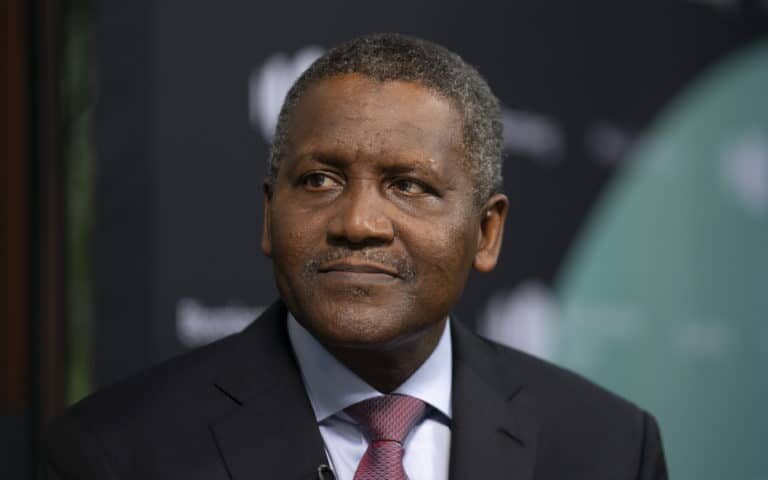
DangoteThe President/Chief Executive of Dangote Industries Limited, Aliko Dangote, and the Manufacturers Association of Nigeria have called on the Federal Government to amend the Public Procurement Act to embed the Nigeria First Policy and link budgetary releases to verified compliance with local content targets.

Dangote made the call on Thursday in Lagos while delivering the keynote address at the 53rd Annual General Meeting of MAN, themed “Nigeria First: Prioritising Made-in-Nigeria.”

He urged the government to “gazette the Nigeria First Policy as a binding law with punitive measures for non-compliance,” stressing that Executive Orders 003 and 005 failed because of “weak enforcement.”

“The Public Procurement Act should be amended to embed the Nigeria First Policy and link budgetary releases to verified compliance levels,” Dangote said. “The government must mandate all MDAs to allocate at least 65 per cent of their procurement budgets to locally manufactured products

He proposed the establishment of an Independent Monitoring and Compliance Agency to audit Ministries, Departments, and Agencies, as well as their contractors, in real time, with sanctions for defaulting entities, including budget cuts and blacklisting from public tenders.

Dangote stated that a properly legislated and consistently enforced policy would strengthen the local manufacturing base, create jobs, and promote self-sufficiency.

“The Nigeria First Policy is not just an economic slogan but a strategic blueprint for industrial survival and prosperity,” he said.

He warned that Nigeria must avoid a repeat of the textile industry’s collapse, which resulted in over 500,000 job losses due to unchecked importation and poor policy enforcement. “Revitalising domestic industries requires not just protectionism but targeted investment in infrastructure, skills, and technology,” he added.

The industrialist outlined eight expectations from the Nigeria First framework, including policy consistency, the creation of a national supplier registry in partnership with MAN, and the institutionalisation of transparent monitoring systems.

He also called for tax incentives for firms investing in backward integration, local sourcing, and research, as well as cheaper credit for manufacturers, especially SMEs supplying government contracts.

“Manufacturers need single-digit interest rates and priority access to foreign exchange for machinery and inputs,” he noted.

Dangote urged the Federal Government to address infrastructure and energy deficits, saying, “Without reliable power and efficient transport systems, local manufacturers cannot meet the demands of the Nigeria First procurement goals.”

Earlier in his welcome address, President of MAN, Francis Meshioye, commended the Federal Government’s ongoing industrial reforms, including the establishment of the Industrial Revolution Working Group and the Presidential Economic Coordination Council.

He, however, stressed that the Nigeria First Policy must be “fully legislated and implemented” to ensure measurable outcomes for local producers. “We are eager to see this policy move from advocacy to action. It holds the potential to significantly boost the manufacturing sector and improve citizens’ welfare,” Meshioye said.

Also speaking, Minister of State for Industry Senator John Enoh reaffirmed the government’s commitment to advancing industrial backward integration and local sourcing. He disclosed that the ministry would, by December 2025, issue procurement documentation guidelines requiring justification when imported goods are preferred over certified local alternatives.

He added that the Bank of Industry, SMEDAN, and MAN would collaborate to graduate 1,000 MSMEs into certified supplier chains by 2026, while energy and transport ministries would prioritise dedicated power and logistics infrastructure for industrial clusters in Lagos, Ogun, Kano, Kaduna, Aba, and Onitsha.

Dangote concluded his address by urging collaboration between government and industry to ensure the policy translates into tangible national growth. “Every nation is in a race to improve the living conditions of its citizens. Nigeria must act decisively. The Nigeria First Policy gives us a fighting chance to compete globally,” he said.

Marketers confirm 600m Dangote petrol lifting target

Dangote-GroupIndependent petroleum marketers have confirmed that the Dangote Petroleum Refinery has set a target to release up to 600 million litres of petrol monthly as part of efforts to stabilise supply in the domestic market and ease the recent surge in pump prices.
It said the new distribution framework is been finalised with 20 selected marketers that will see the release of up to 600 million litres of petrol monthly to stabilise the Nigerian downstream market amid lingering supply challenges and rising pump prices.

This was disclosed by the National Public Relations Officer of the Independent Petroleum Marketers Association of Nigeria, Chinedu Ukadike, on Thursday, who confirmed that the refinery recently held a strategic meeting with key players in the downstream sector.

According to him, the meeting, which included representatives of A.Y.M. Shafa, A. A Rano, NNPCL Retail, Salbas, and several other major distributors, focused on how to streamline product allocation and reduce the layers of middlemen contributing to price distortions

“At the meeting, Dangote announced plans to sell to only 20 selected marketers who will serve as primary distributors to other dealers. Each of them will lift a minimum of two million litres, which will translate to about 600 million litres every month,” Ukadike said.

He explained that the move was part of the refinery’s strategy to stabilise supply, eliminate speculation, and restore efficiency in product delivery across the country.

“We believe that once this structure takes effect, petrol availability will improve significantly and retail prices will start to ease,” he added.

The National Vice President of IPMAN, Hammed Fashola, also confirmed the arrangement, stating, “I have confirmed that 20 marketers have been shortlisted, although the final list has not yet been made public.”

Despite the refinery’s plan, filling stations in the Federal Capital Territory have continued to adjust pump prices upward amid tight supply.

Checks by The PUNCH showed that some stations, including Optima Energy, increased their prices from N945 to N955 per litre, while A.A. Rano also raised its pump price to N945 per litre. A.Y.M. Shafa sold its products at N940 per litre.

Independent marketers have attributed the recent hikes to supply bottlenecks, depot pricing inconsistencies, and delays in product loading from the refinery.

This challenge moved the price of the commodity to N1,000 per litre mark across major cities in the country.

Reacting, the Independent Petroleum Marketers Association of Nigeria has blamed depot owners for the sudden surge in petrol prices.

IPMAN President, Abubakar Shettima, told The PUNCH that depot owners increased their prices when they discovered that the Dangote refinery had stopped fuel loading for some days.

“These DAPPMAN people are the only ones who are selling the product now. But, probably, Dangote will start tomorrow (today). So, if Dangote starts selling tomorrow, the price will come down. Dangote has not been selling to marketers since all these days.

“You may see their trucks on the road, but the trucks are not enough; marketers still have to support by going there to load. And immediately, these DAPPMAN people saw that Dangote was not loading, they increased their ex-depot prices. That’s just what is happening. But I know these things are temporary, very soon they will wipe away,” Shettima said.

In a move expected to bring relief to transporters and industrial users, the Dangote Petroleum Refinery and Petrochemicals FZE has announced a N50 reduction in the ex-depot price of Automotive Gas Oil, popularly known as diesel.

According to a notice issued by the refinery’s Group Commercial Operations Department on Wednesday, the gantry price of diesel has been reviewed downward from N960 per litre to N910 per litre, effective October 15, 2025.

The refinery, in the circular titled “AGO Gantry Price Reduction”, informed its customers of the price change and expressed appreciation for their continued patronage.

Ikeja Electric, LECAN empower young Electricians through Skill Training

As part of its continuous investment in human capital development, Ikeja Electric Plc (IE), Nigeria’s leading electricity distribution company, in collaboration with the Licensed Electrical Contractors Association of Nigeria (LECAN), organized a one-day intensive skills acquisition and capacity-building programme themed: “Electrical Safety and Best Practices in the Electricity Industry.”

The training brought together over 100 participants, comprising field technicians and electrical professionals, for practical and engaging sessions on safety procedures, alternative power integration, and electrical installation standards.

A press statement signed by Kingsley Okotie
Head, Corporate Communications said that participants received hands-on exposure to electrical safety protocols, connection hazards, risk management, industry-compliant installation standards and emerging technologies in energy distribution.

The State Chairman of LECAN, Comrade Bada Waheed, commended Ikeja Electric for its continued support of capacity development within the electricity industry.

According to him, this initiative is a testament to what can be achieved when industry leaders and professional bodies collaborate for sustainable growth. Our young electricians represent the future of Nigerias energy value chain, and programmes like this ensure they are skilled, informed, and safety-conscious.
“We deeply appreciate this gesture from Ikeja Electric and hope to have future collaborations to impact our youth and make them more productive. Noteworthy is the fact that this programme aligns with our goal of nurturing local talents and bridging the gap between learning and practical application.”

Mr. Kingsley Okotie highlighted the importance of corporate partnerships in driving community empowerment, beyond the provision of electricity.

“Over time, we have discovered a lot of gaps in efficiency and knowledge acquisition, especially by technicians, who are major stakeholders within our sector. This fueled our drive to strengthen their capacity in the area of safety, alignment in the integration of renewable energy as well as other industry innovations. We know that electricity is a powerful tool that demands responsibility and precision. Therefore, this training is reinforcing our zero-harm culture by empowering participants with the right knowledge to execute their work safely and efficiently.

The collaboration with LECAN reflects our vision to build safer communities through education and empowerment; closing knowledge gaps, reducing accidents within our area of coverage, and preventing unnecessary loss of lives and property, thereby making society a better place for all. He concluded.

One of the beneficiaries, Mr. Makinde Adeyinka, expressed gratitude for the opportunity and described the experience as eye-opening and impactful.

“I have learned so much about safety standards, proper installations, and building a sustainable career as an electrician. I am thankful to Ikeja Electric and LECAN for investing in young electricians like me and look forward to more programs like this,” he said with enthusiasm.

The one-day training is part of Ikeja Electric’s ongoing youth empowerment and safety awareness initiatives, reinforcing its commitment to workplace safety, operational excellence, and continuous professional development.

About Ikeja Electric Plc:

Ikeja Electric Plc is Nigeria’s largest power distribution network, with a vision to be the provider of choice wherever energy is consumed. The company is focused on providing the best quality service to customers while always adhering to the highest standards of safety.
For customer service and general inquiries, please reach out to Ikeja Electric through:
Phone Lines: 0201-7000-250, 0201-227-2940
Emergency Number for Vandalism: 07074703623
Whistleblowing Lines: 0800-847-6337; expressyourself@ikejaelectric.com
Web Portal: https://www.ikejaelectric.com
Email: customercare@ikejaelectric.com
Social media: Follow us on [Instagram & X: IkejaElectric; Facebook & LinkedIn: Ikeja Electric] for real-time updates

About LECAN:

The Licensed Electrical Contractors Association of Nigeria (LECAN) is a professional body that represents licensed electrical contractors across the country, committed to promoting best practices, professional ethics, and capacity building within the electrical industry.

SON unveils certification scheme to boost Nigeria’s export

Standards-Organisation-of-Nigeria-SON

The Standards Organisation of Nigeria has reaffirmed its commitment to strengthening Nigeria’s trade capacity and boosting the export of locally produced goods through its flagship export certification programme, SONEXCAP.

The Director-General of SON, Dr. Ifeanyi Okeke, made this known during the 2025 World Standards Day celebration held in Lagos.

He urged stakeholders to take advantage of the certification scheme to export their products across Africa and other overseas markets, noting that SONEXCAP provides solutions to challenges faced by exporters.

According to him, the Standards Organisation of Nigeria Export Certification Programme was designed to enable locally manufactured goods to meet international quality requirements.

“The scheme ensures that Nigerian products, once certified, are accepted across African markets, particularly under the African Continental Free Trade Area framework.

“SONEXCAP is not just a certification initiative; it is our gateway to expanding Nigeria’s export frontiers. It builds confidence in Nigerian-made products and opens doors to regional and global markets,” Okeke explained.

Okeke highlighted the critical role of standards in facilitating trade and ensuring that Nigerian products gain international recognition and acceptance.

He advised exporters to take advantage of the opportunities provided by the scheme and do business with more friendly import destinations, thereby boosting wealth creation, job opportunities, and national development.

The Director-General emphasised that standards serve as the common language of trade, enabling countries to connect seamlessly across borders.

He noted that this year’s celebration, themed ‘Shared Vision for a Better World: Spotlight on Sustainable Development Goal 17’, underscores the importance of collaboration and partnership in achieving sustainable development.

According to him, no nation can achieve its development goals in isolation. He therefore called for stronger cooperation between government institutions, the private sector, academia, and civil society to advance Nigeria’s industrial and trade objectives.

“Our national goals in food security, industrialisation, energy transition, and export expansion depend on a strong national quality infrastructure,” he said.

Okeke stressed that conformity assessment cannot be achieved in isolation but only through stakeholders’ collaboration, partnership, and mutual trust.

He explained that such cooperation would also promote adherence to product standards, particularly for imported goods.

The Director-General further revealed that the organisation has strengthened its synergy with international partners to build capacity for product testing and certification, a move aimed at enhancing consumer confidence and protecting local industries.

In addition to ensuring that exported products meet international standards, SONEXCAP also supports small and medium-scale enterprises by helping them overcome barriers to market access through simplified certification procedures and improved product credibility.

Okeke encouraged Nigerian exporters and manufacturers to embrace SONEXCAP as a tool for competitiveness and growth, assuring that SON remains committed to providing technical support to businesses aspiring to access regional and global markets.

“When Nigerian products carry the SON mark of quality, it tells the world we are ready,” he said.

“SONEXCAP is our statement of confidence in the excellence and potential of the Nigerian industry,” he said.

As Nigeria continues its drive toward economic diversification, Okeke affirmed that the SONEXCAP initiative stands as a major step in positioning the country as a leading player in Africa’s single market.

The Director-General of the Manufacturers Association of Nigeria, Mr Segun Ajayi-Kadir, commended the SON under the leadership of Dr Ifeanyi Okeke for partnering with the association to boost trade.

Marketers confirm 600m Dangote petrol lifting target

Independent petroleum marketers have confirmed that the Dangote Petroleum Refinery has set a target to release up to 600 million litres of petrol monthly as part of efforts to stabilise supply in the domestic market and ease the recent surge in pump prices.
It said the new distribution framework is been finalised with 20 selected marketers that will see the release of up to 600 million litres of petrol monthly to stabilise the Nigerian downstream market amid lingering supply challenges and rising pump prices.

This was disclosed by the National Public Relations Officer of the Independent Petroleum Marketers Association of Nigeria, Chinedu Ukadike, on Thursday, who confirmed that the refinery recently held a strategic meeting with key players in the downstream sector.

According to him, the meeting, which included representatives of A.Y.M. Shafa, A. A Rano, NNPCL Retail, Salbas, and several other major distributors, focused on how to streamline product allocation and reduce the layers of middlemen contributing to price distortions.

“At the meeting, Dangote announced plans to sell to only 20 selected marketers who will serve as primary distributors to other dealers. Each of them will lift a minimum of two million litres, which will translate to about 600 million litres every month,” Ukadike said.

He explained that the move was part of the refinery’s strategy to stabilise supply, eliminate speculation, and restore efficiency in product delivery across the country.

“We believe that once this structure takes effect, petrol availability will improve significantly and retail prices will start to ease,” he added.

The National Vice President of IPMAN, Hammed Fashola, also confirmed the arrangement, stating, “I have confirmed that 20 marketers have been shortlisted, although the final list has not yet been made public.”

Despite the refinery’s plan, filling stations in the Federal Capital Territory have continued to adjust pump prices upward amid tight supply.

Checks by The PUNCH showed that some stations, including Optima Energy, increased their prices from N945 to N955 per litre, while A.A. Rano also raised its pump price to N945 per litre. A.Y.M. Shafa sold its products at N940 per litre.

Independent marketers have attributed the recent hikes to supply bottlenecks, depot pricing inconsistencies, and delays in product loading from the refinery.

This challenge moved the price of the commodity to N1,000 per litre mark across major cities in the country.

Reacting, the Independent Petroleum Marketers Association of Nigeria has blamed depot owners for the sudden surge in petrol prices.

IPMAN President, Abubakar Shettima, told The PUNCH that depot owners increased their prices when they discovered that the Dangote refinery had stopped fuel loading for some days.

“These DAPPMAN people are the only ones who are selling the product now. But, probably, Dangote will start tomorrow (today). So, if Dangote starts selling tomorrow, the price will come down. Dangote has not been selling to marketers since all these days.

“You may see their trucks on the road, but the trucks are not enough; marketers still have to support by going there to load. And immediately, these DAPPMAN people saw that Dangote was not loading, they increased their ex-depot prices. That’s just what is happening. But I know these things are temporary, very soon they will wipe away,” Shettima said.

In a move expected to bring relief to transporters and industrial users, the Dangote Petroleum Refinery and Petrochemicals FZE has announced a N50 reduction in the ex-depot price of Automotive Gas Oil, popularly known as diesel.

According to a notice issued by the refinery’s Group Commercial Operations Department on Wednesday, the gantry price of diesel has been reviewed downward from N960 per litre to N910 per litre, effective October 15, 2025.

The refinery, in the circular titled “AGO Gantry Price Reduction”, informed its customers of the price change and expressed appreciation for their continued patronage.

FG moves to stop installation of fake CNG kits

FUEL PUMPThe Federal Government has taken steps to stop the use of substandard kits in the conversion of petrol/diesel-powered vehicles to compressed natural gas.
This was aimed at preventing any form of explosion during the CNG refilling process.

On Thursday, the Minister of State for Petroleum Resources (Gas), Ekperikpe Ekpo, launched the Nigerian Gas Vehicle Monitoring System, a key step in the Federal Government’s drive to promote safety, accountability, and environmental integrity in the nation’s CNG sector.

Speaking at the pilot launch held at an NNPC Retail Station in Abuja, Ekpo said, “the NGVMS will ensure that only vehicles converted at accredited facilities with certified kits can access CNG at approved stations.”

A statement by the minister’s spokesman, Louis Ibah, quoted him as saying that the system will provide end-to-end oversight, from conversion to refuelling, guaranteeing the safety of citizens and the integrity of Nigeria’s growing CNG ecosystem.

Ekpo described the initiative as a milestone under President Bola Tinubu’s Renewed Hope Agenda and the Decade of Gas Initiative, aimed at making CNG the affordable and sustainable energy choice for Nigerians.

The Chairman/Chief Executive Officer of the Presidential Initiative on CNG, Ismaeel Ahmed, revealed that over $1bn in private sector investments have flowed into Nigeria’s CNG value chain.

He added that more conversion and refuelling stations will be commissioned nationwide before the year ends.

Leaders of various transport unions in Nigeria, in separate speeches at the event, expressed gratitude to Tinubu for launching the PiCNG to mitigate the impact of fuel subsidy removal in 2023.

They said that, under the initiative, members had benefited from over one million free CNG kits, buses, and tricycles, which has led to significantly reduced transportation costs and subsequently lowered the prices of foodstuffs across the country.

The union leaders urged the government to prioritise commercial vehicles in the CNG project, ensuring that they are given preference.

“Additionally, they appealed for the expansion of CNG stations nationwide, noting that only a few states currently have CNG conversion and refuelling stations. This, they believe, would further enhance the effectiveness of the initiative,” the statement read.

Nigeria to relaunch currency trade scheme after setback – CBN

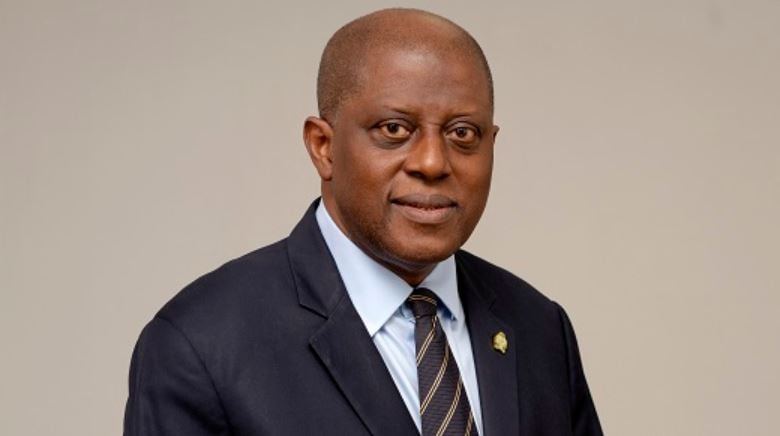
Governor of the Central Bank of Nigeria, Olayemi CardosoThe Governor of the Central Bank of Nigeria, Olayemi Cardoso, has said that Nigeria is developing a new framework to enable the use of national currencies in bilateral trade settlements.
Speaking at a press briefing at the IMF/World Bank Annual Meetings in Washington DC, Cardoso explained that while the country had previously experimented with local currency trade agreements, the initiative did not yield the desired results.

“We have had an experiment with that (switching to national currencies in bilateral trade). And to be frank, it did not work out very well for us.

That is not to say that we are not interested in doing this. We are. And we are really at an elementary stage of putting up a framework, now that our currency is more competitive, to be able to ensure that it is a win‑win for everybody.”

He said the Central Bank was taking a more cautious and structured approach this time to ensure that future local currency trade arrangements deliver mutual benefits and reduce dependence on foreign exchange in cross-border transactions.

Bilateral currency trade arrangements, also known as local currency settlement agreements, allow two countries to trade directly using their national currencies instead of the U.S. dollar or other reserve currencies.

Nigeria has experimented with bilateral currency deals before, most notably with China, through the 2018 currency swap agreement signed between the Central Bank of Nigeria and the People’s Bank of China.

The deal, worth about N720bn (or RMB 15bn), was designed to ease pressure on Nigeria’s dollar reserves, promote trade with China, and make it easier for Nigerian importers to access yuan for Chinese goods.

However, the arrangement struggled to gain traction due to limited awareness among traders, logistical bottlenecks, exchange rate uncertainty, and the lack of a robust settlement framework. Many Nigerian businesses continued to rely on the U.S. dollar for imports, while local banks struggled to build sufficient yuan liquidity.

CBN officials later acknowledged that the pilot phase “did not work as efficiently as expected,” though it provided lessons for designing more effective future frameworks.

Despite this, a new bilateral currency swap agreement was agreed in December 2024 between Nigeria and China.

The renewed deal, jointly announced by the CBN and the People’s Bank of China, amounts to N3.28 tn, approximately 15 billion yuan or $2.09 bn.

Valid for three years and renewable upon mutual agreement, the swap deal aims to boost financial collaboration, simplify transactions involving the naira and yuan, and reduce reliance on the U.S. dollar in trade.

Cardoso’s comments suggest that the Central Bank is revisiting the idea of settling bilateral trade in national currencies, especially as the naira becomes more competitive following recent foreign exchange reforms.

SEC, SMEDAN sign MoU To boost SME Access To Capital Market

……… Over 40m small businesses To Benefit From Improved Financing Options


The Securities and Exchange Commission (SEC) and the Small and Medium Enterprises Development Agency of Nigeria (SMEDAN) have signed a Memorandum of Understanding (MoU) aimed at improving access to long-term financing for small and medium enterprises (SMEs) through the Nigerian capital market.

The partnership is designed to create alternative sources of capital for the country’s over 40 million registered micro, small, and medium enterprises (MSMEs), helping them grow, create jobs, and contribute to the Federal Government’s $1 trillion economy target.

Speaking at the signing ceremony in Abuja, Director-General of the SEC, Dr. Emomotimi Agama, said the initiative would open new funding routes for SMEs and integrate them into the capital market ecosystem.

“Capital is the bedrock of any company. Today we have about 40 million Small and Medium Enterprises that are duly registered with Small and Medium Enterprises Development Agency of Nigeria and it is important that as a capital market, we are able to find a route for these small and Medium Scale enterprises to be able to raise capital for sustainability.

“We also want to bring them on board the pipeline of listed companies in Nigeria where they will be able to democratize wealth and share a part of their institutions with Nigerians making sure that development is faster and to lead to the growth of the economy,” he stated.

He added that the collaboration aligns with President Bola Tinubu’s agenda on employment, growth, development, and production, describing it as a critical step toward achieving the administration’s trillion-dollar economy vision.


On his part, SMEDAN Director-General, Mr. Charles Odii, said the MoU would enable small businesses to overcome the high cost and scarcity of capital by leveraging the capital market.

“Capital in this part of the world is very expensive and scarce,” Odii said. “Through this collaboration, we are creating another source of financing for our medium-scale businesses. We have set ourselves a target of at least 1,000 SMEs listing on the capital market. This will galvanize growth, create wealth, and reduce unemployment in Nigeria.”

The agreement between the two agencies seeks to deepen the integration of MSMEs into the formal financial system and help them meet regulatory and governance standards required for market participation.

Among its major benefits, the MoU will improve access to long-term financing by supporting qualifying MSMEs to raise funds through equity or debt securities under SEC regulations. It also provides for capacity building, as both agencies will organize training and awareness programs to educate SMEs on capital market participation, financial literacy, and corporate governance.

In addition, the SEC will contribute to SMEDAN’s five-year strategic policy framework to promote inclusive financing and SME-friendly capital market policies. SMEDAN, on its part, will identify and encourage qualifying SMEs to list on recognized exchanges, expanding their access to funding and business growth opportunities.

The collaboration will also facilitate debt market participation by guiding creditworthy SMEs to issue debt securities to qualified investors, thereby widening their financing options beyond traditional bank loans. Both institutions will jointly organize a three-day national SME conference to engage stakeholders, promote market opportunities, and drive policy discussions.

The MoU further provides for the establishment of a Joint Working Group (JWG) to monitor implementation, as well as mechanisms for data sharing in line with the Nigeria Data Protection Act, 2023.

NCC links tariff reforms to N1tn telecom infrastructure investment

NCCThe Nigerian Communications Commission said recent tariff reforms have triggered more than N1 tn in new investments by telecom operators, helping to modernise the country’s digital backbone and improve service quality across the industry.
Executive Vice Chairman and Chief Executive Officer of the Commission, Dr. Aminu Maida, disclosed this while delivering his keynote address at the 94th edition of the Telecoms Consumer Parliament, held on Tuesday in Lagos.

Speaking on the theme, ‘Addressing Network Quality for Improved Consumer Experience’, Maida said the tariff reform, approved in February 2025 under the Commission’s economic regulatory mandate, was designed to make rates in the telecom sector more cost-reflective and competitive, thereby ensuring sustainability and long-term service improvements.

According to him, the strategic intervention, though initially met with hesitation by the public, has begun to yield tangible results by stabilising the market, strengthening competitiveness, and restoring investor confidence in the country’s telecommunications industry.

“Collectively, the operators have committed over $1bn, that is over N1trn, in new investments aimed at upgrading network infrastructure, modernising equipment, and expanding coverage nationwide,” the executive stated.

“Over the past six months alone, tower companies and operators have deployed more than 2,700 additional capacity and coverage sites across the country. These sites will directly improve network strength, service reliability, and ultimately user experience for millions of Nigerians.”

Before the tariff adjustment in February, Africa’s largest telecom market, with over 220 million active mobile lines, had seen service quality strained by surging data usage, currency fluctuations, and rising energy costs. Operators, including MTN Nigeria, Airtel Africa, Globacom, and 9mobile, have repeatedly said that tariffs no longer reflected operational costs, leading to underinvestment in infrastructure.

He said the Commission remains committed to ensuring that the quality of service delivery in the sector is non-negotiable, adding that consumers have the right to reliable, efficient, and high-quality telecommunications services.

Maida acknowledged that while the quality of service is not yet at the desired level, significant progress has been made. “Quality of service today is not yet where we want it to be, but it is equally true that we are no longer where we used to be,” he said.

He recalled that Nigeria’s telecom industry had grown remarkably from about 500,000 active lines at the time of sector liberalisation to over 169 million active mobile subscriptions and a teledensity of 78.11 per cent as of July 2025.

However, he stressed that such growth must be matched by corresponding improvements in service quality to ensure that consumer expectations are met, saying the Commission remains fully committed to this goal, working hand in hand with all industry stakeholders.”

Maida highlighted several recent regulatory initiatives by the Commission aimed at improving network quality and strengthening consumer protection.

He said one of these was the updated Quality of Service Regulations, which set clear and measurable performance benchmarks for operators, including call setup success rates, call drop rates, and network and power availability.

A key feature of the updated regulations, he noted, is the expanded regulatory scope to include co-location providers – companies that host multiple operators on shared infrastructure, making them accountable under similar frameworks as mobile operators.

UBA to unveil whitepaper on Africa’s financial infrastructure

UBA-logoUnited Bank for Africa Plc is set to launch its landmark whitepaper on powering the continent’s development through its financial ecosystem.

According to a statement from the bank on Wednesday, the whitepaper, titled ‘Banking on Africa’s Future: Unlocking Capital and Partnerships for Sustainable Growth’, will be unveiled on the sidelines of the ongoing World Bank-International Monetary Fund Annual Meetings in October 2025 in Washington, D.C.

UBA said that the document presents a comprehensive and actionable framework for unlocking Africa’s vast economic potential, providing analysis of critical growth pillars including trade facilitation, infrastructure development, digital innovation, climate finance, and inclusive growth, while showcasing strategies for leveraging domestic capital alongside strategic global partnerships to access the continent’s $3.4tn single market potential under the African Continental Free Trade Area.

UBA’s Group Chairman, Tony Elumelu, who emphasised the strategic importance of this whitepaper, explained that over the past few years, the bank has become an active leader in conversations and activities that drive tangible investments to the continent

“UBA is shifting Africa’s development agenda from talk to action. With this whitepaper, we are championing initiatives that convert strategic dialogue into bankable projects and direct investments. Our commitment to execute these plans for the benefit of the continent and its people cannot be overemphasised. We are committed partners in Africa’s development and sustainability and will continue to provide the capital, the platform, and the network needed to transform Africa’s vast potential into economic growth,” Elumelu said.

The UBA Group Managing Director/Chief Executive Officer, Oliver Alawuba, remarked on the white paper’s significance, highlighting the urgent need for private sector leadership.

“This whitepaper is a call to action and a statement of our capability,” Alawuba said. “It underlines our unique position in facilitating the partnerships and capital flows required to finance Africa’s future, providing the blueprint for action. The document delivers critical insights at a defining moment for Africa’s financial infrastructure.”

United Bank for Africa operates in 20 African countries and the United Kingdom, the United States of America, France, and the United Arab Emirates.