NAICOM unveils NIIRA implementation working groups

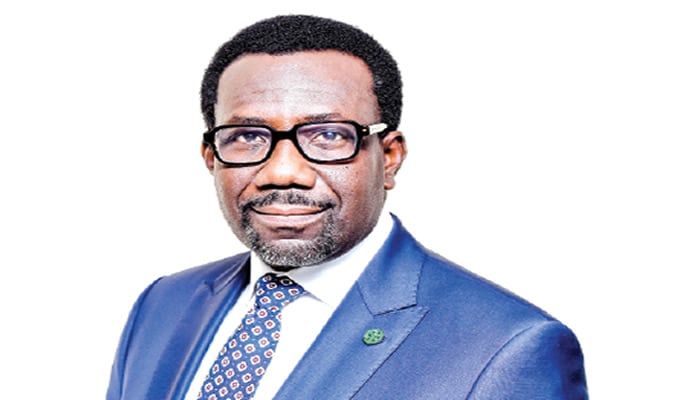
OLUSEGUN OMOSEHINThe National Insurance Commission has unveiled a comprehensive implementation strategy for the National Insurance Industry Reform Agenda 2025.
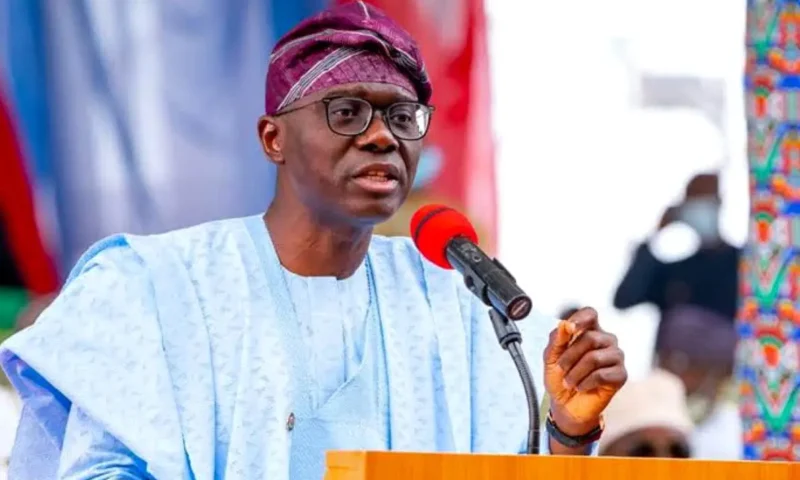
According to NAICOM on Tuesday, the strategy was launched at a high-level meeting held in Abuja, where the Commissioner for Insurance, Mr Olusegun Omosehin, inaugurated three core working groups to drive the execution of NIIRA’s objectives across the insurance value chain.

The PUNCH reports that NIIRA 2025, signed into law in July, sets out a holistic roadmap for regulatory reform, financial inclusion, digital transformation, and compulsory insurance enforcement.

Speaking during the strategy session, Omosehin reaffirmed NAICOM’s commitment to ensuring that the implementation phase of NIIRA is inclusive, data-driven, and results-oriented.

“This marks the beginning of a coordinated journey toward achieving a stronger, more transparent, and technology-driven insurance industry. The NIIRA 2025 is not just a regulatory document; it is a blueprint for building an insurance sector that protects lives, businesses, and investments across Nigeria,” Omosehin stated.

He added that the new working groups would serve as engines of reform, ensuring that critical policy objectives are translated into measurable outcomes.

The Working Groups comprise the Compulsory Insurance Working Group, chaired by Shola Tinubu, with the mandate to strengthen the enforcement and adoption of all compulsory insurance schemes across the country, including motor (third party), builders liability, group life, professional indemnity, and public buildings insurance.

The Digitisation Working Group is led by Adetola Adegbayi and has the mandate to modernise the insurance regulatory ecosystem through innovative digital tools and platforms, and the third group is the Financial Inclusion Working Group, chaired by Dr Yeside Oyetayo. This group has the mandate of deepening insurance penetration, particularly among underserved and low-income populations.

The Commissioner commended stakeholders for their dedication and expressed confidence that the new implementation structure would fast-track industry-wide reforms. “This strategy represents a shared responsibility to deliver results that will redefine the perception and impact of insurance in Nigeria. We must all see ourselves as partners in national development.”

Lagos begins second phase of enumeration for Oworonshoki regeneration compensation

The Lagos State Government has begun the second phase of enumeration for residents affected by the Oworonshoki Regeneration Project as part of its ongoing compensation programme for property owners whose structures were demolished during the urban renewal initiative.

The exercise, which commenced on Monday, November 3, 2025, at the Oloworo Palace in Oworonshoki, Kosofe Local Government Area, was coordinated by the Lagos State Urban Renewal Agency, LASURA.

It was supervised by the agency’s General Manager, Town Planner, TPL, Oladimeji Animashaun, alongside directors, technical officers, and representatives of relevant government bodies.

Also present were community leaders, traditional chiefs, members of Community Development Associations, CDAs, and Community Development Committees, CDCs, civil society groups, security personnel, journalists, and a large number of residents who turned out to be documented.

According to TPL Animashaun, the second phase of enumeration became necessary to accommodate residents who were unable to participate in the initial exercise and to ensure that every legitimate claimant receives due compensation, in line with Governor Babajide Sanwo-Olu’s directive.

“Just last week, we distributed compensation to affected residents whose buildings were pulled down under the Oworonshoki Urban Regeneration Project. However, several individuals who missed the initial enumeration appealed for another opportunity to be captured,” Animashaun said.

“Today’s exercise is to ensure no one is left out. As you can see, the turnout is even greater than before, which shows growing confidence in the government’s sincerity,” he added.

The LASURA boss noted that initial skepticism among residents had shifted to trust after the successful disbursement of the first batch of compensation, prompting more property owners to come forward for verification.

“Some residents initially doubted the government’s commitment and even considered protesting. But when they saw their neighbours receiving compensation, they realized it was genuine. That trust has now encouraged wider participation,” he explained.

Animashaun assured residents that the verification and compensation process would be completed within a short timeframe.

“Once this enumeration phase is concluded, payments will follow promptly, within a few days or at most a week, just as we did with the first batch,” he stated.

He also urged residents to remain peaceful and cooperate fully with government officials to ensure a smooth and transparent process, reiterating that the Sanwo-Olu administration remains committed to fairness, transparency, and the welfare of all Lagosians affected by developmental projects.

Zenith Bank’s gross earnings rise to N3.37tn

Zenith-Bank-Logo

Zenith Bank Plc has reported a 16 per cent rise in its gross earnings for the first nine months of 2025 to N3.37tn compared to N2.9tn recorded in Q3 2024.

This was disclosed in its unaudited financial results for the first three quarters ended 30 September 2025, filed with the Nigerian Exchange Limited.

Zenith Bank is one of the top banks in Nigeria, with a presence in multiple countries.

According to the financial results presented to the NGX, growth in gross earnings was driven by interest income, which rose 41 per cent year-on-year to N2.7tn. The lender said that the growth in interest income was supported by a high-yield rate environment and an expansion in the Bank’s investment portfolio.

In the same period, interest expense rose by 22 per cent to N814bn on the back of a tightening monetary cycle and a growth in the Bank’s funding base; however, the bank was able to achieve a healthy Net Interest Margin of 12 per cent as against 10 per cent in September 2024. Non-interest income declined by 38 per cent to N535bn, underpinned by a 60 per cent decline in trading gains.

Zenith Bank’s profit before tax marginally declined to N917bn as against N1.00tn reported in September 2024. Profit after tax also declined by eight per cent to N764bn, and Earnings Per Share came in at N18.60 as against N26.34 in September 2024, as the Bank took bold measures to improve the quality of its loan portfolio.

The Bank’s total assets grew by four per cent from N30tn in December 2024 to N31tn as at September 2025, supported by customer deposits, which rose by eight per cent to N23.7tn within the same period. Gross loans declined by nine per cent to N10tn as at September 2025, while Non-Performing Loan ratio improved to three per cent due to the write-off of non-performing loans.

Commenting on the results, the Group Managing Director/Chief Executive Officer, Dr Adaora Umeoji, said, “The Bank’s robust performance is an attestation to the resilience of the Zenith brand, result-driven strategy, and the adaptability of our people in an evolving operating environment. We have fortified our capital base, reset our asset quality, and are well-positioned for sustainable and profitable growth”.

On the outlook for the last quarter of the year, Umeoji said, “This result confirms the resilience of both our business model and our people. We’re on a solid growth path that we expect to maintain through the remainder of the year. Our focus on innovation, digital transformation, and developing solutions that address our clients’ changing needs positions us to capitalise on emerging opportunities whilst maintaining our disciplined approach to growth”.

She assured shareholders that the robust performance, combined with improved asset quality and the Bank’s strong capital base, positions Zenith Bank to deliver exceptional returns with expectations of sustained value creation.

“We’re well placed to sustain this momentum whilst maintaining responsible leadership in the Nigerian banking industry and delivering exceptional value to all our stakeholders,” she asserted.

Standard Chartered meets N200bn recapitalisation ahead of deadline

Standard_Chartered_Bank_254c8b7e2aStandard Chartered Bank Nigeria Limited has confirmed that it has met the Central Bank of Nigeria’s N200bn minimum capital requirement for national commercial banks, ahead of the deadline in 2026.
This was disclosed in a statement made available to The PUNCH on Monday.

In March 2024, CBN raised the operating minimum capital requirements for banks operating in the country. Banks with an international licence faced N500bn, and national commercial banks were expected to raise N200bn. The MCR for regional banks and merchant banks were pegged at N50bn each. In the non-interest space, national non-interest players were expected to meet a new N20bn capital threshold, while the regional players would raise N10bn.

The stakeholders were given until March 2026 to meet the new deadlines.

As of the last meeting of the Monetary Policy Committee, Central Bank of Nigeria Governor, Olayemi Cardoso, disclosed that 14 banks have met the new MCR.

According to Standard Chartered, meeting the new MCR highlights the bank’s formidable financial foundation and reaffirms its focus on deepening its presence in Nigeria, one of its most pivotal African markets, through committed investment, robust capital base, strong and sustainable balance sheet, and value-enhancing financing to support clients’ leading growth in key sectors that propel national productivity.

Dalu Ajene, Chief Executive Officer of Standard Chartered Bank Nigeria Limited, stated, “Delivering on the CBN’s recapitalisation directive ahead of schedule underscores our unwavering confidence in the resilience and potential of the Nigerian economy. This achievement reaffirms Standard Chartered’s enduring partnership with Nigeria and our steadfast commitment to foster sustainable growth, support clients, and play a pivotal role in Nigeria’s financial and economic transformation”.

Executive Director and Chief Financial Officer, Dayo Omolokun, added, “The recapitalisation of Standard Chartered Bank Nigeria Limited ahead of the March 2026 deadline reinforces the group’s commitment to Nigeria, as an important and strategic market on the African continent. Since returning to Nigeria to establish a wholly owned subsidiary in 1999, the Bank has supported clients and customers with structured financial solutions running into billions of Dollars, combining differentiated cross-border capabilities with leading wealth management expertise”.

The bank added that new capital investment will enable it to do more, especially towards the achievement of a $1tn economy by 2031 as envisioned by President Bola Tinubu.

Standard Chartered Bank Nigeria Limited has been operating in Nigeria for about 26 years of dedicated service in Nigeria, blending global expertise with local insights to provide innovative banking solutions that empower individuals, businesses, and communities to prosper.

Stanbic IBTC Bank Nigeria PMI: Output Growth Records Six Months High In October 

October data pointed to improved growth momentum in the Nigerian private sector, with both output and new orders increasing at sharper rates than in September. In turn, companies took on extra staff and expanded their purchasing activity. The pace of input cost inflation remained subdued relative to the picture over recent years, while output prices increased at the second-slowest pace for five-and a-half years. The headline figure derived from the survey is the Stanbic IBTC Purchasing Managers’ Index™ (PMI®). Readings above 50.0 signal an improvement in business conditions on the previous month, while readings below 50.0 show a deterioration.

Muyiwa Oni, Head of Equity Research West Africa at Stanbic IBTC Bank commented: “Business activity started the last quarter of 2025 on a strong note, with the headline PMI printing higher at 54.0 points in October compared to 53.4 points in September. This was on account of higher output and new orders growth. Notably, continued softening of price pressures and launch of new products by companies helped to drive higher new orders (56.3 points vs September: 55.4 points) and this in turn, supported output (57.7 points vs September: 56.1 points) growth to its highest level since April. Output increased across all the four sectors covered by the survey, led by manufacturing. Elsewhere, input costs increased in October but were still much weaker than levels seen in 2023 and 2024. However, the opposite was true for output prices, which rose at the second slowest pace in five-and-a-half years, just Headline inflation softened to 18.02% y/y in September, and we expect price moderation towards 15.84% – 16.22% y/y in October and 14.25% – 14.62% y/y in November.

This is because we see food prices moderating further in the coming months in line with the ongoing main harvest season which is expected to ensure food prices remain at their seasonal low level until December, when gradual depletion of household stocks will commence. Simultaneously, non-food inflation should be pressured in October amid higher fuel prices relative to September, understandably due to supply constraints and production glitches at the Dangote refinery which contributes 30.0% – 40.0% of domestic petrol supplies. Nonetheless, the lingering local currency stability and appreciation should help provide some succour to non-food inflation in the near term. Lower inflation, stabilizing exchange rate, and anticipation of further rate cuts ahead should support improvement in real sector activity over the medium term. Accordingly, we see the Nigerian economy growing by 4.0% in 2025. Both Manufacturing and Services are likely to see higher growth in 2025 compared to 2024 levels, based on the results from the PMI surveys so far this year.”

The headline PMI rose to 54.0 in October from 53.4 in September, signalling a solid monthly improvement in the health of the private sector and one that was more pronounced than in the previous survey period. Business conditions have now strengthened in 11 consecutive months. Output growth hit a six-month high in October, with panellists highlighting the positive impact of rising new orders and the introduction of new products. Business activity increased across all four broad sectors, with growth fastest in manufacturing. The launch of new products also helped to drive up customer numbers in October, thereby feeding through to rising new orders.

A recent softening of inflationary pressures also reportedly helped to boost demand. Although companies continued to increase their selling prices at a marked pace in response to higher input costs, the latest rise in charges was the second-slowest for five-and-a half years, quicker only than that seen in August. The rate of input cost inflation ticked higher, however, amid faster increases in both purchase prices and staff costs. That said, the increase in input prices was still muted compared to those seen in 2023 and 2024. Rising new orders encouraged firms to take on extra staff in October, the fifth month running in which this has been the case. The rate of job creation was only modest, however, and softer than seen in September.

Higher employment helped firms to keep on top of workloads, but power outages and payment delays from clients led to build-ups in backlogs elsewhere. On balance, outstanding business was broadly unchanged in October. Both purchasing activity and stocks of inputs increased as companies responded to higher new orders and the prospect of further expansions in the months ahead. Meanwhile, suppliers’ delivery times continued to shorten. Although strategies around marketing and exporting supported confidence in the year-ahead outlook for business activity, sentiment dropped for the fourth month running in October and was the lowest since May. Around 46% of respondents predicted a rise in output over the next 12 months.

Shell To Invest $1 Billion On New Oil Blocks In Angola

Oil major, Shell Plc will invest about $1 billion on new oil blocks in Angola as the southern African nation seeks to boost production that’s dwindled over the years.

Shell and Angola’s National Agency for Oil, Gas and Biofuels signed an exclusive agreement for exploration rights covering offshore Blocks 19, 34 and 35, along with 14 additional blocks in ultra-deepwater areas.

The funds will be used for seismic surveys and drilling, ANPG’s Paulino Jeronimo told reporters at an event attended by the oil giant in Luanda, the capital on Monday.

Angola’s priority remains keeping crude production above one million barrels a day through marginal field development and incremental output projects, he said.

Africa’s third largest oil producer has been courting investment to stave off a steep decline in output, a key source of government revenue. In July, it briefly fell below one million barrels a day for the first time since Angola quit OPEC two years ago, before recovering.

ANPG also signed another deal with Shell, alongside Chevron Corp. and Sonangol EP, in September for Block 33 in the in the Lower Congo basin, off the coast of Angola, marking its return to the nation after a two-decade absence.

The one-million-barrel target is based on annual averages and will remain in place for the next several years, Minerals and Petroleum Minister Diamantino Azevedo said at Monday’s event.

NiMet, NITDA Forge Strategic Partnership to Enhance Meteorological Services Through ICT

The Director General of the Nigerian Meteorological Agency (NiMet), Professor Charles Anosike, yesterday November 3, 2025 paid a courtesy visit to the Director General of the National Information Technology Development Agency (NITDA), Mr. Kashifu Inuwa.
The meeting aimed to foster collaboration and explore strategic areas of partnership between the two institutions.
During the meeting, Anosike emphasised that Information and Communication Technology (ICT) is essential to modern meteorological services, enabling weather forecasting, data collection, analysis, and dissemination. He noted that the partnership would enhance the credibility of NiMet’s services, benefiting sectors such as aviation, agriculture, and disaster risk management.
Inuwa acknowledged the importance of IT in driving transformation across all professions. He highlighted NITDA’s mandate to deepen and accelerate the adoption of technology within critical sectors.
Anosike also showcased NiMet’s innovative weather solution, METEOWIZ, developed entirely in-house by NiMet staff. This solution marks a significant milestone as the first of its kind in Africa, demonstrating NiMet’s leadership in meteorological technology.
Both agencies agreed to sign a Memorandum of Understanding (MoU) to leverage ICT for improved meteorological data management and dissemination. They also plan to explore joint capacity-building initiatives, technological innovations, and collaboration on innovation projects. A joint technical committee will be constituted to identify and implement specific collaborative projects, driving innovation, improving public service delivery, and contributing to the nation’s sustainable development.
SERAP sues Akpabio, Abbas over alleged N3m ‘bribe-for-bill’

SERAPThe Socio-Economic Rights and Accountability Project has dragged the Senate President, Godswill Akpabio, and the Speaker of the House of Representatives, Tajudeen Abbas, to court over their alleged failure to investigate claims that lawmakers pay up to N3m to sponsor or present bills, motions, and petitions in the National Assembly.
SERAP filed the suit marked FHC/L/CS/2214/2025  at the Federal High Court in Abuja last week, naming Akpabio and Abbas as defendants on behalf of all members of the National Assembly.

The case follows a viral video in which a Jigawa lawmaker, Ibrahim Auyo, alleged that lawmakers pay between N1m and N3m to have their bills or motions introduced.

In the suit, SERAP is seeking an order of mandamus compelling Akpabio and Abbas to refer the allegations to appropriate anti-corruption agencies for investigation and possible prosecution.

The group is also asking the court to compel both presiding officers to take steps to protect Auyo as a whistleblower.

“The allegations of N3m Bribe-for-Bills at the National Assembly are a grave violation of public trust and the constitutional oath of office by lawmakers,” SERAP argued. “Lawmakers should not have to pay bribes to present motions and bills. Bribery should never have any influence in the exercise of legislative duties or the running of the National Assembly.”

The organisation said the alleged “quid pro quo” arrangement for lawmaking had seriously undermined Nigerians’ democratic rights and mocked the legislative powers granted under Section 4 of the 1999 Constitution (as amended).

According to SERAP, the alleged bribery “amounts to fundamental breaches of the Nigerian Constitution, the country’s anti-corruption laws, and international obligations under the UN Convention against Corruption.”

The suit, filed on behalf of SERAP by Kolawole Oluwadare, Kehinde Oyewumi, and Andrew Nwankwo, also stated that compelling Akpabio and Abbas to ensure an independent investigation “would build public trust in democratic institutions and strengthen the rule of law.”

“The National Assembly ought to be an accountable legislative body that protects the public interest and ensures transparency in cases of corruption, including the alleged N3m Bribe-for-Bills,” SERAP said.

The group described Auyo as a whistleblower protected under Article 33 of the UN Convention against Corruption, urging authorities to ensure his safety following his public-interest disclosures.

SERAP maintained that ending the persistent culture of corruption and impunity in the National Assembly was essential for strengthening Nigeria’s democracy.

“Ensuring the investigation and prosecution of suspected perpetrators would improve transparency and accountability in the National Assembly and restore public confidence in democratic governance,” the group said.

It added that Section 15(5) of the Constitution obliges all public institutions, including the National Assembly, to “abolish all corrupt practices and abuse of power.”

In his viral remarks, Hon. Auyo lamented that the process of sponsoring motions and bills was financially prohibitive.

“Since I was elected in 2015, no one has given me a bill to pass,” he said. “You have to pay from N1m to N3m to present it, and even after that, you must lobby the entire 360 members of the House to support it.”

SERAP noted that similar practices might also exist in the Senate.

No date has yet been fixed for the hearing of the case.

Naira hits 2025 peak at N1,421/$ as forex supply rises

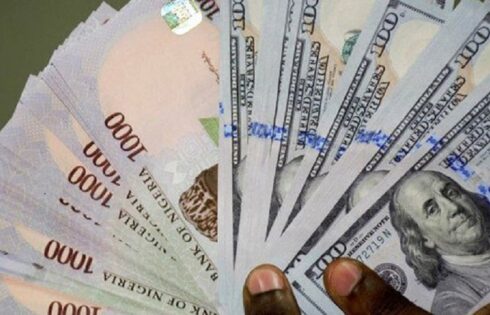
The naira recorded its highest appreciation this year at the close of October when it settled at 1,421.73/$ at the Nigerian Foreign Exchange Market, data from the Central Bank of Nigeria has revealed.
The naira traded below the 1,500/$ threshold throughout October at the official market, indicating stability, and appreciated by 3.63 per cent from 1,475.34/$ as of 30 September 2025. In October, the naira traded at its weakest rate of 1,475.35/$ on 17 October 2025.

At the parallel market, the story was not too different, as the domestic currency closed at N1,450.00/$ on Friday, according to CardinalStone.

Providing a weekly review of the FX market, researchers at AIICO Capital attributed the performance of the naira to the activities of foreign portfolio investors.

“The Nigerian naira appreciated during the week, buoyed by improved foreign currency supply from foreign portfolio investors who sold USD positions, boosting market liquidity and easing demand pressures. The steady inflow of foreign funds strengthened supply conditions across key benchmarks, resulting in a consistent appreciation of the naira as USD availability outpaced demand. Overall, the naira gained 2.48 per cent week-on-week to close at N1,421.73/$,” said AIICO Capital.

Meanwhile, Nigeria’s external reserves extended their rally, increasing to $43.17bn as of 30 October 2025, up from $42.35bn recorded a month earlier on 30 September 2025, CBN data indicated.

The data show a monthly gain of $819m, representing a 1.93 per cent growth in reserves within one month. This improvement suggests a steady build-up in foreign assets during the period under review, indicating slightly stronger external buffers compared to the previous month.

Analysts have projected that the currency would maintain an even keel in the coming week and in the near future.

In its macro report, CSL Research identified increased production from Dangote refinery as helping to stabilise the naira despite headwinds.

The macro note said, “A key driver behind this performance has been the resilience of the external sector, even amid relatively weak global oil prices. According to recent data, the current account balance recorded a surplus of about $5.3bn in Q2 2025, up from $2.9bn in Q1 2025.

“We attribute this improvement to a sharp contraction in imports and a modest increase in export receipts. The narrowing of the import bill has helped reduce foreign exchange demand pressures, creating room for the naira to strengthen. We believe that one of the major contributors to this trend is the increase in domestic refined petroleum output, primarily driven by the Dangote refinery.”

Another factor raised was the positioning of global institutional investors with long, unhedged naira-denominated exposures.

“This shift has been driven by growing confidence in the government’s reform agenda and recent positive sovereign credit rating actions. In retrospect, Nigeria has emerged as one of the most attractive destinations for carry trade investors over the past year, as the combination of elevated interest rates and improving exchange rate stability has delivered compelling risk-adjusted returns relative to peers in other emerging markets. We estimate that offshore investors who subscribed to one-year OMO bills in late 2024, when stop rates averaged around 24 per cent and the exchange rate was roughly N1,650/$, would be realising a net return of about 36 per cent in US dollar terms at current exchange rates.

“This profitable carry trade dynamic has reinforced foreign investor interest in Nigerian assets and contributed to stability in the foreign exchange market. Lastly, we add that sustained interventions by the CBN amid increased offshore inflows and stronger trade balances have also helped support the local currency’s performance,” said CSL Research.

CBN reforms drive FX inflows amid global oil slump

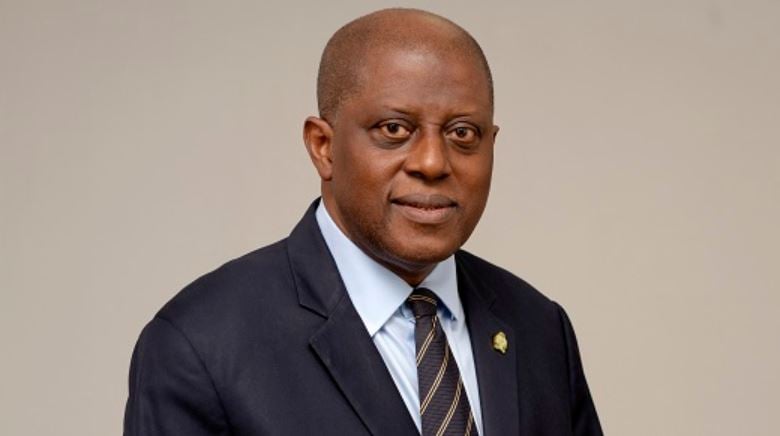
Governor of the Central Bank of Nigeria, Olayemi CardosoWith global oil prices plunging to around $64 per barrel, well below Nigeria’s $75 budget benchmark, the country faces renewed fiscal and foreign-exchange pressures. Yet, through sweeping Central Bank of Nigeria reforms, foreign-exchange inflows are rebounding. By promoting non-oil exports, diaspora remittances, and local production while rebuilding reserves, the CBN is shielding the naira from oil shocks, stabilising markets, and repositioning Nigeria for sustainable growth despite mounting global economic uncertainties,

Nigeria’s heavy dependence on oil revenue has left its 2025 budget vulnerable, as crude prices hover well below the $75 benchmark, raising fiscal and exchange-rate risks. Sami Tunji writes on how the Central Bank of Nigeria has implemented reforms to boost foreign-exchange inflows through higher non-oil exports, local production, and stronger reserves, helping the naira stabilise even as global oil markets remain uncertain.

Global oil prices have fallen to around $64 per barrel, far below the $75 benchmark adopted for Nigeria’s 2025 budget. For a country that depends on crude oil for most of its export earnings and a significant amount of its government revenue, this slide poses a serious risk. The Wall Street Journal’s forecast that Brent crude could slip below $50 per barrel before the end of 2025 has further unsettled expectations.

Nigeria’s fiscal projections are built on an oil production assumption of two million barrels per day. Current figures from the Nigerian Upstream Petroleum Regulatory Commission show actual production fluctuating between 1.5 and 1.8 million barrels per day. That shortfall, combined with weaker prices, means the government is likely to miss its oil revenue target by several trillion naira. Economists warn that this could push the fiscal deficit towards seven per cent of Gross Domestic Product, placing pressure on the exchange rate and complicating efforts to contain inflation.

At a time when global demand is weak and OPEC+ is considering modest output increases to stabilise its members’ budgets, Nigeria’s position remains fragile. Earlier in July 2025, the International Monetary Fund noted that Nigeria must urgently revise its budget targets or face a deepening financial crisis. The IMF’s most recent Article IV consultation report highlighted a significant risk that Nigeria will exceed its fiscal deficit projections for the year, driven by a combination of falling oil prices, lower production levels, and challenges in capital expenditure execution. It called on the Nigerian authorities to take immediate action to recalibrate the country’s fiscal policies and budget expectations to reflect the current economic realities.

To prevent renewed foreign-exchange instability, the Central Bank of Nigeria, under Governor Olayemi Cardoso, has introduced and implemented reforms to protect the economy from the oil slump. The CBN’s strategy targets stronger non-oil exports, backward integration in major industries, better management of diaspora remittances, and tighter control of imports. These steps are designed to build buffers for the naira and reduce dependence on crude oil proceeds.

Speaking at the 54th Annual General Meeting of the Manufacturers Association of Nigeria, Apapa Branch, the CBN Governor urged manufacturers to lead efforts to diversify Nigeria’s forex earnings from crude oil dependence. Cardoso, who was represented by the Head of Division, Trade & Exchange Department of the CBN, Mr Aliyu Ashiru, stressed that manufacturing held significant potential to conserve forex, expand exports with value-added products, create jobs at all levels, and enhance macroeconomic stability.

He said, “Incentives such as tax holidays, duty waivers for machinery, export rebates and investment guarantees should target manufacturers producing for export markets. Nigeria must move from exporting raw materials to value-added products.”

Reform measures boosting FX inflows

The CBN’s first line of action has been to rebuild Nigeria’s foreign-exchange reserves. Figures from the apex bank show that gross external reserves rose from $38.9bn in April to $43.4bn by October 2025, about a six-year high. The reserves now provide import cover for about eleven months, up from seven months at the start of the year. Analysts at United Capital Research have expressed optimism that Nigeria’s external reserves will continue their steady ascent in the final quarter of 2025, buoyed by stronger oil export receipts, robust diaspora remittances, and a favourable trade balance.

Speaking on recent developments in the FX market at the IMF/World Bank annual meetings in Washington, D.C., Cardoso in charge of Economic Policy, Dr Mohammed Abdullahi, said the average monthly turnover in the foreign-exchange market rose to $8.6bn in 2025 compared with $5.5bn in the previous year. He explained that “capital flows, which collapsed by over 75 per cent between 2019 and 2020, have improved significantly and strengthened our external position.” He also said the market is now more transparent, noting that the CBN has become a net buyer rather than a net supplier of foreign exchange.

Another part of the reform involves promoting non-oil exports. The Nigerian Export Promotion Council reported that non-oil exports grew by about 19.59 per cent in the first half of 2025 to $3.23bn, driven by higher global demand for cocoa, urea, and cashew. The shipment volume also rose to 4.04 million metric tonnes from 3.83 million metric tonnes in the first half of 2024, driven by strong global demand for Nigerian products from emerging markets such as India, Brazil, Vietnam, and other African countries.

Earlier in March 2025, Cardoso said the creative industry could earn up to $25bn annually if properly supported. He urged investors in film, music, crafts, and digital services to tap international platforms to raise dollar earnings.

Also, the CBN has prioritised import substitution through backward integration. During a meeting in February 2025 with the Airtel Africa management team led by Group Chief Executive Officer Sunil Taldar, Cardoso urged telecommunications operators to produce key inputs such as SIM cards, cables, and masts locally. He said the dependence on imported components has placed unnecessary pressure on the naira and limited job creation.

In response, Taldar commended the reforms and said Airtel supports local manufacturing. He also pledged the firm’s continued investment in digital infrastructure and financial inclusion. Analysts see this as an example of how monetary policy is now intersecting with industrial policy to address structural weaknesses.

Head of Research at Cowry Asset Management Limited, Charles Abuede, believes the CBN Governor’s emphasis on local production is consistent with the broader macroeconomic goal of reducing foreign dependence.

“The high demand for foreign exchange by telecom operators has placed pressure on the naira due to increased dollar demand,” he said.

Recent data indicate that the reforms are gaining traction. The naira gained N33.50 against the dollar in the official foreign-exchange market in October, supported by rising external reserves, which climbed to $43.17bn during the month. Data released by the CBN showed that the naira ended the month at a record high of N1,421.73/$1 on Friday, marking its fourth consecutive all-time strong level since the introduction of the Nigerian Foreign Exchange Market under the Electronic Foreign Exchange Management System. This represented a month-on-month appreciation of 2.4 per cent from the N1,455.23 quoted at the beginning of the month, indicating sustained demand moderation and improved liquidity in the FX market.

In the external sector, the balance of payments turned positive for the first time in years. The CBN reported a surplus of $6.83bn in 2024, supported by a goods trade surplus of $13.17bn and strong remittance inflows of $20.93bn. Imports declined during the period, reflecting both weak demand and the impact of policy tightening.

Also, the CBN’s latest Quarterly Statistical Bulletin revealed that total foreign-exchange utilisation across the economy increased by 19 per cent quarter-on-quarter to $9.3bn in the first quarter of 2025, representing a 39 per cent year-on-year growth. The rise was driven mainly by a surge in invisible transactions, such as services and transfers, which grew by 54 per cent quarter-on-quarter to $4.5bn. This category’s share of total FX usage expanded to about 48 per cent, up from 37 per cent in the fourth quarter of 2024.

These numbers indicate that the country is gradually rebuilding foreign-exchange buffers. Analysts at FBNQuest added that ample liquidity and attractive yields in the domestic market have supported robust investor participation in government securities auctions, further strengthening market stability and investor confidence in the naira.

Cardoso told investors at the annual IMF and World Bank meetings in Washington that Nigeria is witnessing “a complete restructuring of the economy”. He said the naira has become competitive and that large businesses are beginning to shift from imports to exports. He also noted that the country now has a positive trade balance expected to reach six per cent of GDP in the medium term. “We were very fortunate that a lot of the things that needed to be done were implemented earlier,” he said, adding that the decisions have created “resilience against potential shocks.”

With inflation moderating to below 18.02 per cent in the near term and GDP growth projected at about four per cent in 2025, Nigeria’s economy is finally stabilising. Officials say the foreign reserve level is sufficient to maintain a stable exchange-rate environment. The CBN also expects the forthcoming $2.3bn Eurobond issuance by the Federal Government to refinance existing debt and further strengthen reserves.

However, economists caution that while short-term indicators are encouraging, the long-term sustainability of the reforms will depend on how well they are coordinated with fiscal measures. Oil revenue still provides a significant share of budget financing, and oil exports remain a major source of foreign exchange, meaning Nigeria continues to be exposed to oil price movements.

Sustaining buffers through structural discipline

As the global oil market remains uncertain, maintaining economic buffers will be critical. OPEC+ is expected to review its production strategy at its November meeting, and any increase in supply could push prices lower. With Brent crude already near $64 per barrel, a further slide would deepen fiscal stress for producers such as Nigeria.

Analysts say the country must not treat the recent rise in reserves as an end in itself but as a temporary cushion that should buy time for deeper structural change. Export diversification remains limited, and the service sector, though promising, requires stronger linkages to international markets. The creative industry’s earning potential will depend on copyright enforcement, access to finance, and digital infrastructure.

Fiscal policy also needs realignment. The 2025 budget is based on revenue projections that are unlikely to be met if oil prices remain below $70. The government may have to increase non-oil tax revenue and cut low-impact spending to avoid expanding the deficit. Otherwise, inflationary pressures could return, undermining the CBN’s efforts to stabilise prices.

In a recent remark, G-24 Chairman Pablo Quirno noted that recent adverse shocks in the global economy have left growth below pre-pandemic levels, with rising policy uncertainties creating substantial medium-term headwinds.

“Emerging markets and developing economies have faced deteriorating terms of trade, reduced export volumes, and declining foreign currency earnings. Many of these countries have implemented domestic policies to mitigate uncertainty, but constrained policy space underscores the urgent need for collective solutions supported by multilateral institutions,” he said.

His comment shows that Nigeria’s challenges are not unique but part of a wider global pattern.

Cardoso has acknowledged that building a resilient economy requires more than monetary measures. Speaking at the Washington investors’ forum, he said the difficult economic reforms embarked on by the Federal Government are yielding positive results, as evidenced by stable exchange rates, more substantial economic buffers, and a dip in inflation. According to Cardoso, the apex bank has helped build a stronger economy. He explained that maintaining policy discipline will be key to preventing the gains from being reversed.